
No products in the cart.
Introduction
One of the most common inventory management challenges businesses face is knowing exactly when to reorder products.
Order too early and capital gets locked in excess inventory.
Order too late and critical items run out, causing operational disruptions and emergency purchases.
This is where Reorder Level becomes an essential inventory management tool.
A well-defined reorder level helps businesses maintain the right inventory balance by ensuring products are replenished before stock reaches a critical level.
Whether you manage office stationery, A4 paper, printer cartridges, housekeeping supplies, pantry consumables, or industrial inventory, understanding reorder levels can significantly improve procurement efficiency.
Table of Contents
What Is Reorder Level?
Reorder Level is the inventory quantity at which a new purchase order should be placed to replenish stock before it runs out.
It acts as a trigger point that alerts procurement teams to initiate purchasing activities.
The purpose is to ensure continuous product availability while minimizing excess inventory.
Why Reorder Level Is Important
A properly calculated reorder level helps businesses:
- Prevent stock shortages
- Reduce emergency purchases
- Improve inventory planning
- Optimize working capital
- Improve procurement efficiency
- Maintain business continuity
Without reorder levels, purchasing decisions often become reactive rather than planned.
How Reorder Level Works
Imagine a company uses:
- 10 reams of A4 paper per day
- Supplier lead time of 7 days
If procurement waits until stock reaches zero, operations may stop before new inventory arrives.
A reorder level ensures purchasing begins early enough to cover demand during the supplier lead time.
Reorder Level Formula
Reorder Level = Average Daily Usage × Lead Time
Example:
Average Daily Usage = 10 units
Lead Time = 7 days
Reorder Level = 10 × 7
Reorder Level = 70 units
When inventory reaches 70 units, a new purchase order should be generated.
Factors That Affect Reorder Level
1. Average Consumption
Products with higher consumption require higher reorder levels.
Examples:
- A4 copier paper
- Tissue papers
- Hand wash
- Pantry supplies
2. Supplier Lead Time
Longer lead times require earlier purchasing decisions.
Businesses sourcing products from distant locations often maintain higher reorder levels.
3. Demand Variability
Products with unpredictable demand may require higher reorder levels.
Seasonal fluctuations should also be considered.
4. Supply Risk
If suppliers frequently delay deliveries, reorder levels may need adjustment.
Reorder Level vs Safety Stock
Many businesses confuse reorder levels with safety stock.
Reorder Level
The inventory point at which purchasing begins.
Safety Stock
Extra inventory maintained as a buffer against unexpected demand or supply disruptions.
Example:
Reorder Level = 70 units
Safety Stock = 20 units
Procurement initiates purchasing at 70 units while maintaining a safety reserve of 20 units.
Benefits of Using Reorder Levels
Better Product Availability
Ensures essential items remain available when needed.
Reduced Emergency Purchases
Businesses avoid expensive last-minute buying decisions.
Improved Cash Flow
Inventory levels remain optimized without excessive stock accumulation.
Better Procurement Planning
Procurement teams gain visibility into future purchasing requirements.
Common Products That Require Reorder Levels
Every organization should consider reorder levels for:
Office Supplies
- A4 paper
- Pens
- Sticky notes
- Files
Printing Supplies
- Toner cartridges
- Ink cartridges
- Labels
Housekeeping Supplies
- Tissue papers
- Garbage bags
- Cleaning chemicals
Pantry Supplies
- Tea
- Coffee
- Sugar
- Disposable cups
These products often have predictable consumption patterns, making reorder level management easier.
Common Reorder Level Mistakes
Using Outdated Consumption Data
Consumption patterns change over time.
Review reorder levels periodically.
Ignoring Supplier Lead Time Changes
Lead times may increase due to logistics disruptions or supplier issues.
Applying the Same Reorder Level to Every Product
Different products have different demand patterns and lead times.
Not Monitoring Inventory Regularly
Reorder levels only work when inventory records are accurate.
Best Practices for Reorder Level Management
Track Inventory Consumption
Monitor actual product usage trends.
Review Supplier Performance
Regularly assess supplier lead times and reliability.
Automate Inventory Alerts
Inventory management systems can automatically generate reorder notifications.
Combine Reorder Levels with Safety Stock
This provides additional protection against uncertainty.
Example: Reorder Level for Office Supplies
A company consumes:
- 5 boxes of printer paper per day
- Supplier lead time of 8 days
Reorder Level:
5 × 8 = 40 boxes
When stock reaches 40 boxes, procurement should place a new order.
This helps maintain uninterrupted supply while avoiding excess inventory.
Conclusion
Reorder levels are one of the simplest yet most effective inventory management tools available to businesses.
By determining the right point to replenish inventory, organizations can reduce stock shortages, improve procurement planning, optimize working capital, and maintain smooth operations.
Whether managing office supplies, copier paper, printer cartridges, housekeeping materials, or pantry consumables, a well-defined reorder level strategy helps create a more efficient and predictable procurement process.
Frequently Asked Questions
What is a reorder level?
A reorder level is the inventory quantity at which a new purchase order should be placed to replenish stock before it runs out.
Why is reorder level important?
It helps prevent stock shortages, improve inventory planning, and reduce emergency purchases.
What is the formula for reorder level?
Reorder Level = Average Daily Usage × Lead Time.
Is reorder level the same as safety stock?
No. Reorder level triggers purchasing, while safety stock acts as a reserve inventory buffer.
Which products should have reorder levels?
Frequently used products such as office stationery, copier paper, printer cartridges, housekeeping supplies, and pantry consumables should have defined reorder levels.
- Complete Office Supplies List for a New Office: 100+ Essential ItemsSetting up a new office can be exciting, but there is one practical question every business eventually faces: What office supplies do we actually need? A new office requires much more than desks, chairs and computers. From A4
- Centralized vs Local Stationery Procurement for Multi-Location CompaniesFor a company with one office, buying stationery is rarely complicated. For a company with 20, 50 or 100 branches, it can become a serious procurement challenge. Every branch needs basic office supplies: The question is: Should every
- How to Buy Office Supplies Online Across India: Complete Business GuideBuying office supplies for one office is relatively simple. Buying office supplies for a business with offices, branches or teams across different parts of India is a different challenge. A company may need stationery in Mumbai, A4 paper
- How to Create an Approved Vendor List for Office SuppliesIntroduction Most companies have a list of suppliers. But having a list of suppliers and having an Approved Vendor List (AVL) are two different things. A supplier may have supplied your company for years. Another may offer the
- Office Supplies Spend Analysis: How to Find Hidden Savings in ProcurementIntroduction Ask a company: “How much do you spend on office supplies?” The answer is often surprisingly difficult to produce. Finance may have the total expense. Procurement may have purchase orders. Individual departments may have their own records.
Products by Category
-
Odonil Air Freshener Mystic Rose 50g | Room Freshener and Bathroom Freshener [1Piece]
Original price was: ₹59.₹41Current price is: ₹41. (GST Extra) -
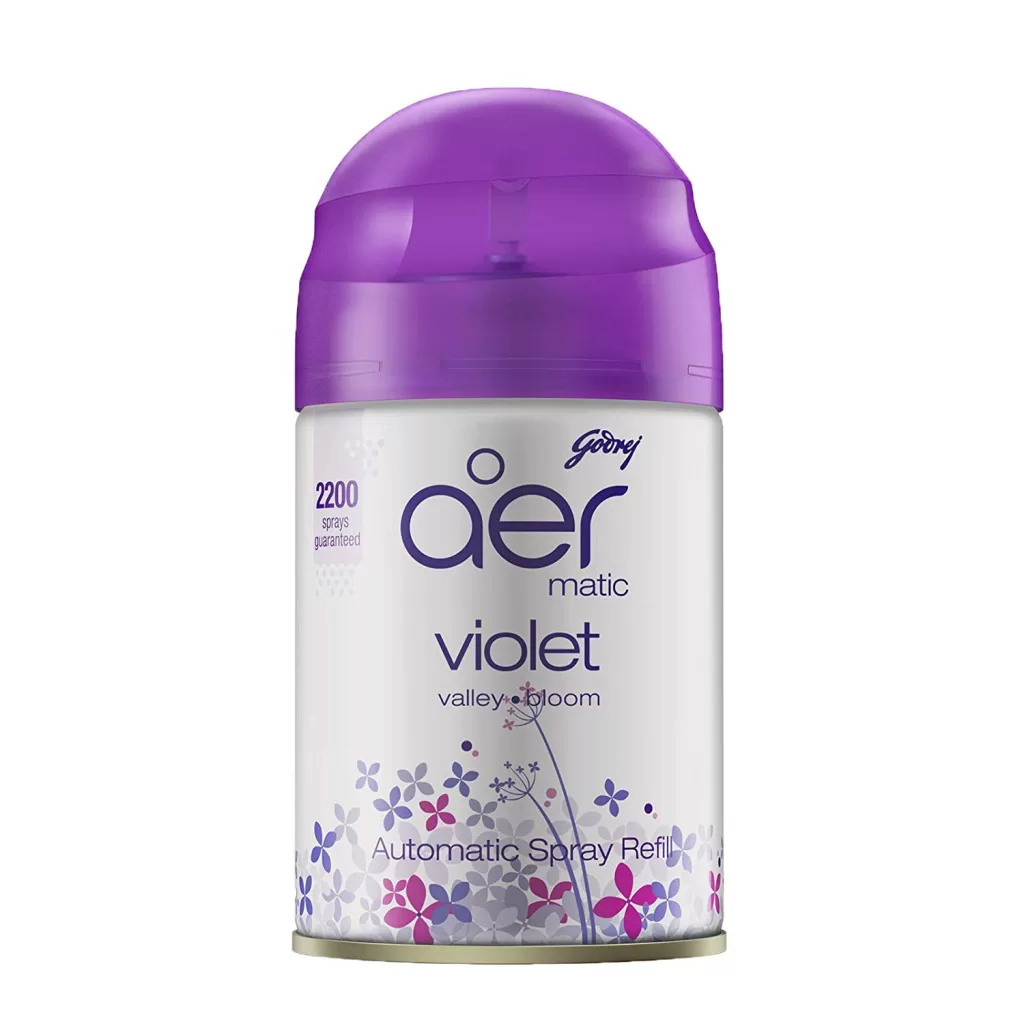
Godrej aer Matic Voilet Valley Bloom Automatic Air Freshener Spray Refill (210ml) – 1 Piece
Original price was: ₹300.₹252Current price is: ₹252. (GST Extra) -
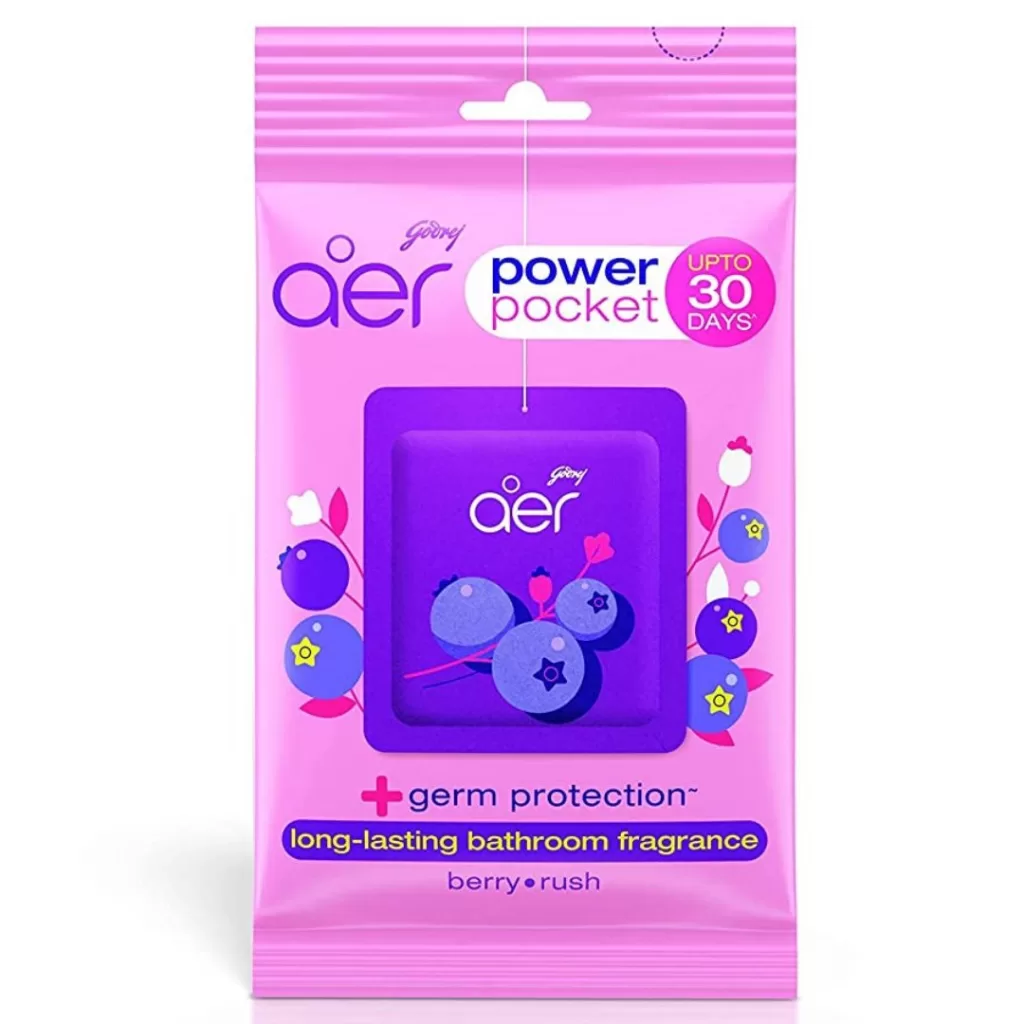
Godrej aer Power Pocket Air Freshener – Berry Rush (10g) – 1 Piece
Original price was: ₹60.₹50Current price is: ₹50. (GST Extra) -
Airwick Lavender & Lotus Automatic Air Freshener Spray Refill (250ml) – 1 Piece
Original price was: ₹330.₹285Current price is: ₹285. (GST Extra) -
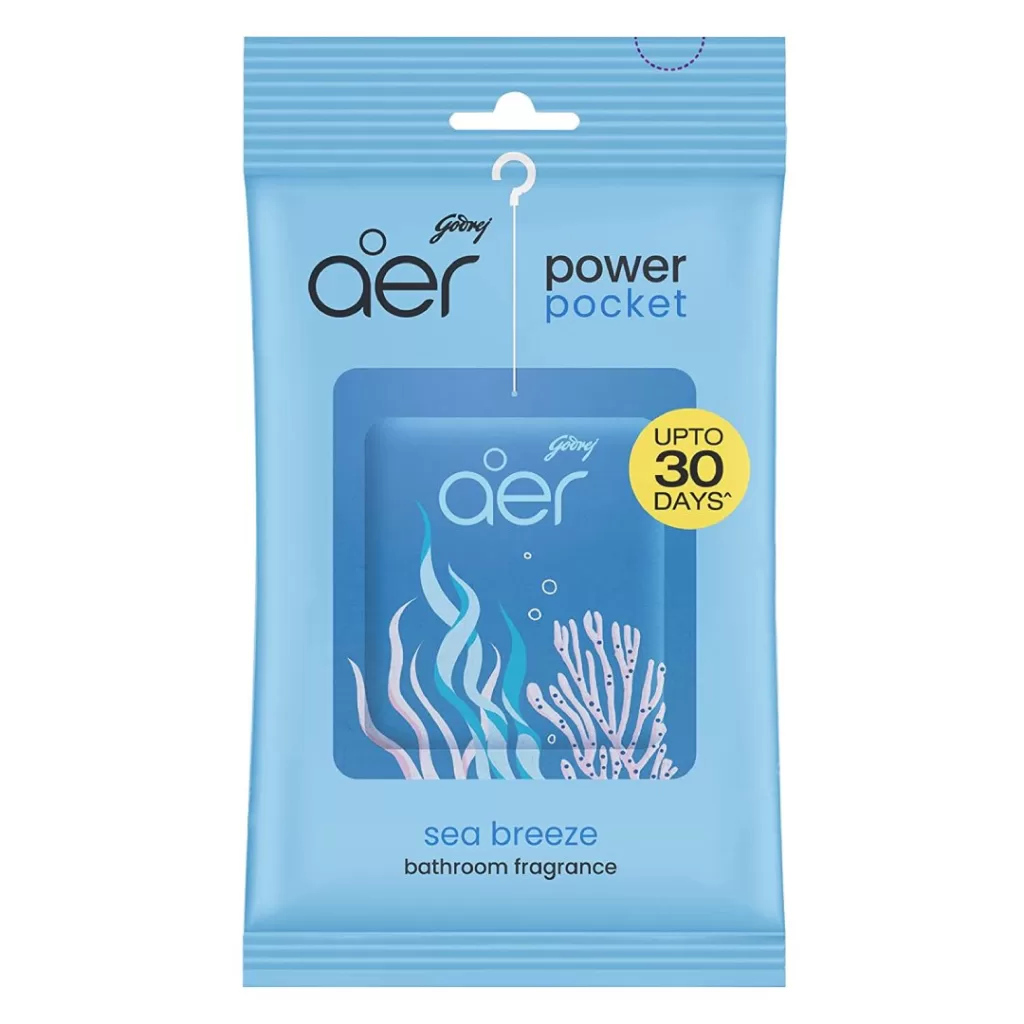
Godrej aer Power Pocket Air Freshener – Sea Breeze (10g) – 1 Piece
Original price was: ₹60.₹50Current price is: ₹50. (GST Extra) -
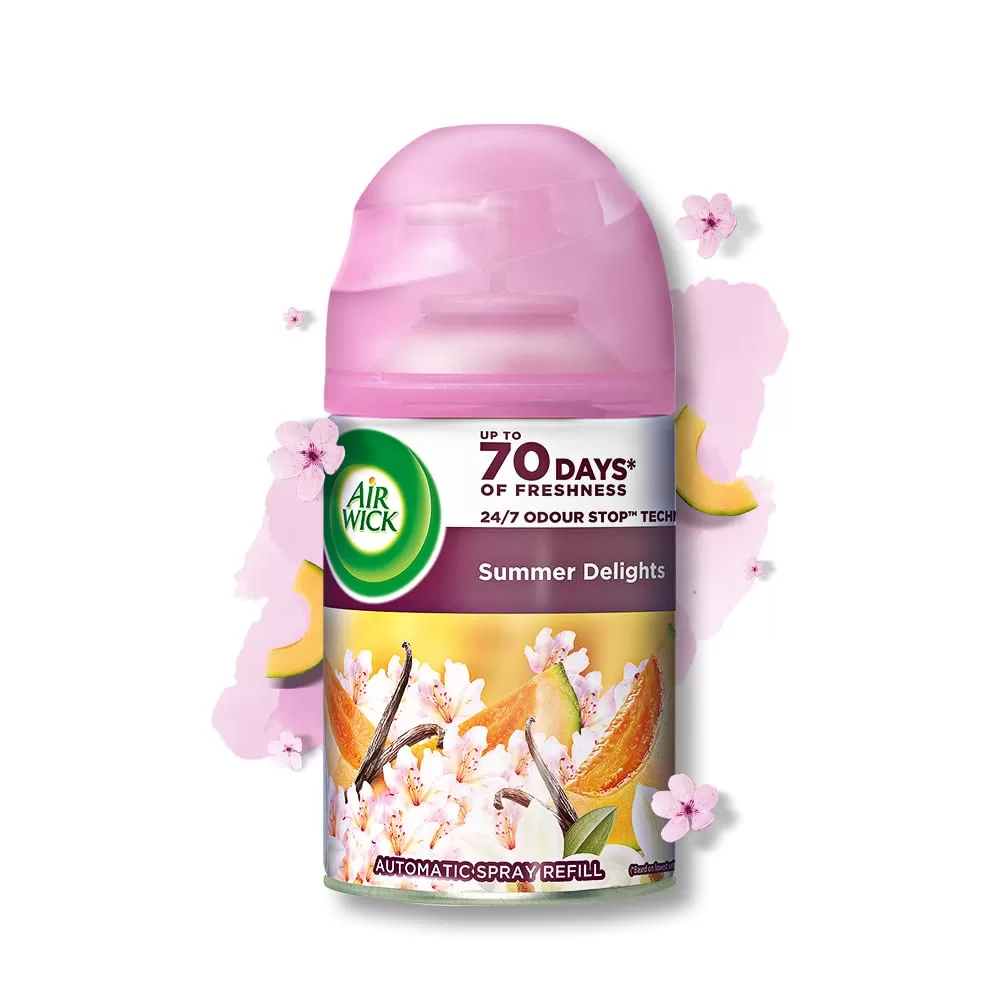
Airwick Summer Delights Automatic Air Freshener Spray Refill (250ml) – 1 Piece
Original price was: ₹330.₹277Current price is: ₹277. (GST Extra) -
Khushbu Air Freshener 100gm Each (Lavender +Jasmine +Mogra + Rose) – Pack of 4
Original price was: ₹320.₹144Current price is: ₹144. (GST Extra) -
Godrej aer Power Pocket Air Freshener – Rose Fresh Blossom (10g) – 1 Piece
Original price was: ₹60.₹50Current price is: ₹50. (GST Extra) -
Khushbu Air Freshener Mogra 100gm | Room Freshener | Car Freshener | Bathroom Freshener [1 Piece]
Original price was: ₹80.₹36Current price is: ₹36. (GST Extra) -
Kyna Lavender Essential Oil – 10 ml | Super Quality Diffuser Oil | Therapeutic Grade | Glass Bottle
Original price was: ₹211.₹175Current price is: ₹175. (GST Extra) -
Automatic Air Freshener Spray Dispenser | Ultra Smart Air Freshener [1piece]
Original price was: ₹1,300.₹748Current price is: ₹748. (GST Extra) -
Super Shine Air Freshener Sani Cubes 200gm 1 Piece
Original price was: ₹75.₹36Current price is: ₹36. (GST Extra) -
Odonil Air Freshener Fresh Lavender Mist Room Spray 220ml – Instant Air Freshener for Office, Cabin & Washroom Use
Original price was: ₹99.₹75Current price is: ₹75. (GST Extra) -
Super Shine Air Freshener Sani Cubes 200gm -Pack of 5
Original price was: ₹375.₹180Current price is: ₹180. (GST Extra) -
Godrej aer Power Pocket Air Freshener – Lavender Bloom (10g) – 1 Piece
Original price was: ₹60.₹50Current price is: ₹50. (GST Extra) -
AirSure Refreshing Lemongrass Aroma Oil – 1 Ltr Concentrated Fragrance for Diffuser, Office & Commercial Air Freshening
Original price was: ₹999.₹889Current price is: ₹889. (GST Extra) -
Naphthalene Balls 500g – Moth Repellent & Odor Remover for Wardrobes, Bathrooms, and Storage Spaces
Original price was: ₹199.₹104Current price is: ₹104. (GST Extra) -
Khushbu Air Freshener Rose 100gm | Room Freshener | Car Freshener | Bathroom Freshener [1 Piece]
Original price was: ₹80.₹36Current price is: ₹36. (GST Extra)
![Odonil Air Freshener Mystic Rose 50g | Room Freshener and Bathroom Freshener [1Piece]](https://wisycart.com/wp-content/uploads/2022/09/OMR50g-1-1024x952.jpg "Reorder Level Explained: How Businesses Avoid Stock Shortages and Overordering 1")


![Khushbu Air Freshener Mogra 100gm | Room Freshener | Car Freshener | Bathroom Freshener [1 Piece]](https://wisycart.com/wp-content/uploads/2022/11/KMAF50gm-1-1-jpg.webp "Reorder Level Explained: How Businesses Avoid Stock Shortages and Overordering 9")
![Automatic Air Freshener Spray Dispenser | Ultra Smart Air Freshener [1piece]](https://wisycart.com/wp-content/uploads/2022/09/AAD-1.jpg "Reorder Level Explained: How Businesses Avoid Stock Shortages and Overordering 11")


![Khushbu Air Freshener Rose 100gm | Room Freshener | Car Freshener | Bathroom Freshener [1 Piece]](https://wisycart.com/wp-content/uploads/2022/11/KRAF50gm-1-1-jpg.webp "Reorder Level Explained: How Businesses Avoid Stock Shortages and Overordering 18")

Recent Comments