
No products in the cart.
Introduction
Printer cartridges are among the most essential consumables in offices, schools, businesses, government departments, and homes. Whether you print invoices, reports, contracts, educational material, presentations, or marketing documents, choosing the right printer cartridge directly impacts print quality, operating costs, and printer performance.
However, many buyers struggle with questions such as:
- Which printer cartridge is compatible with my printer?
- Should I buy original or compatible cartridges?
- What is the difference between toner and ink cartridges?
- How can I reduce printing costs?
- Which cartridge offers the best value for money?
This comprehensive guide answers everything you need to know about printer cartridges, including cartridge types, compatibility, costs, maintenance tips, and smart buying strategies.
Table of Contents
What is a Printer Cartridge?
A printer cartridge is a replaceable component that contains ink or toner used by a printer to create text and images on paper.
Printer cartridges are designed specifically for certain printer models and cannot be universally used across all printers.
Modern cartridges may contain:
- Ink or toner
- Print heads
- Electronic chips
- Drum units
- Memory modules for monitoring usage
The type of cartridge required depends on whether the printer is an inkjet printer or a laser printer.
Types of Printer Cartridges
Understanding cartridge types helps buyers make informed purchasing decisions.
1. Ink Cartridges
Ink cartridges are used in inkjet printers.
They contain liquid ink that is sprayed onto paper through microscopic nozzles.
Advantages
- Excellent color printing
- Better photo quality
- Lower printer purchase cost
- Suitable for home and small office use
Common Applications
- Photographs
- Marketing materials
- School projects
- Low-volume office printing
2. Toner Cartridges
Toner cartridges are used in laser printers.
Instead of liquid ink, they contain fine toner powder that is fused onto paper using heat.
Advantages
- Faster printing
- Lower cost per page
- Higher print volume
- Better text clarity
Common Applications
- Invoices
- Contracts
- Office reports
- Bulk document printing
3. Black Cartridges
These cartridges print black text and graphics.
They are commonly used for:
- Bills
- Letters
- Reports
- Business documents
4. Colour Cartridges
Colour cartridges typically include:
- Cyan
- Magenta
- Yellow
Used for:
- Presentations
- Brochures
- Marketing materials
- Images and charts
5. High-Yield Cartridges
High-yield cartridges contain more ink or toner than standard cartridges.
Benefits
- Lower cost per page
- Fewer replacements
- Better for office use
Ideal for:
- SMEs
- Schools
- Government offices
- Corporate printing environments
Ink Cartridge vs Toner Cartridge
| Feature | Ink Cartridge | Toner Cartridge |
|---|---|---|
| Printer Type | Inkjet | Laser |
| Printing Method | Liquid Ink | Powder Toner |
| Best For | Photos & Graphics | Text Documents |
| Print Speed | Moderate | Fast |
| Cost Per Page | Higher | Lower |
| Volume Capacity | Lower | Higher |
| Maintenance | More Frequent | Less Frequent |
For offices printing hundreds or thousands of pages monthly, toner cartridges generally offer better long-term economics.
Understanding Printer Cartridge Compatibility
One of the most common mistakes buyers make is purchasing incompatible cartridges.
Each printer model supports only specific cartridge series.
For example:
- HP LaserJet printers use specific HP toner models.
- Canon printers require designated Canon cartridge series.
- Epson inkjet printers use Epson-compatible cartridges.
- Brother printers require Brother-specific toner units.
Before purchasing, always verify:
- Printer brand
- Printer model number
- Cartridge number
- Yield specifications
Original vs Compatible Printer Cartridges
Original (OEM) Cartridges
OEM stands for Original Equipment Manufacturer.
These cartridges are produced by the printer manufacturer itself.
Examples:
- HP cartridges
- Canon cartridges
- Epson cartridges
- Brother cartridges
Advantages
- Guaranteed compatibility
- Reliable print quality
- Manufacturer warranty support
Disadvantages
- Higher purchase cost
Compatible Cartridges
Compatible cartridges are manufactured by third-party companies.
Advantages
- Lower cost
- Wider availability
- Good value for high-volume users
Disadvantages
- Quality varies by supplier
- Potential compatibility issues
- Possible warranty concerns
Which Should You Choose?
Choose OEM cartridges if:
- Print quality is critical.
- You print customer-facing documents.
- Warranty protection is important.
Choose quality compatible cartridges if:
- Cost reduction is the primary goal.
- Printing volume is high.
- Supplier reliability is verified.
How to Identify the Correct Cartridge
Follow these simple steps:
Method 1: Check Existing Cartridge
Most cartridges display a cartridge code such as:
- HP 88A
- HP 12A
- Canon 925
- Brother TN Series
Method 2: Check Printer Model
Look for the printer model on:
- Front panel
- Rear label
- User manual
Method 3: Consult Product Specifications
Verify:
- Cartridge number
- Page yield
- Colour options
- Printer compatibility list
Factors Affecting Printer Cartridge Costs
Several factors influence cartridge pricing.
Brand
OEM cartridges generally cost more than compatible cartridges.
Page Yield
Higher-yield cartridges usually provide better cost efficiency.
Colour Printing
Colour cartridges typically cost more than black cartridges.
Print Technology
Laser toner cartridges often have higher upfront costs but lower per-page expenses.
Market Availability
Pricing may fluctuate due to:
- Demand
- Supply chain conditions
- Brand availability
- Import costs
How Long Do Printer Cartridges Last?
Cartridge life depends on:
- Page coverage
- Print frequency
- Print settings
- Storage conditions
Typical Estimates
Ink Cartridges
- 100 to 600 pages
Toner Cartridges
- 1,000 to 10,000+ pages
High-capacity enterprise toner cartridges can exceed 20,000 pages.
Common Printer Cartridge Problems
Cartridge Not Detected
Possible causes:
- Dirty contacts
- Improper installation
- Firmware restrictions
- Defective cartridge chip
Faded Prints
Possible causes:
- Low ink
- Low toner
- Print head issues
- Toner distribution problems
Streaks on Paper
Possible causes:
- Clogged print heads
- Damaged drum units
- Cartridge leakage
Smudged Printing
Possible causes:
- Low-quality toner
- Incorrect paper
- Fuser problems
Tips to Reduce Printing Costs
Use Draft Mode
Draft mode significantly reduces ink consumption.
Print Only When Necessary
Avoid unnecessary duplicate printing.
Choose High-Yield Cartridges
They generally offer better cost per page.
Use Duplex Printing
Printing on both sides reduces paper consumption.
Monitor Cartridge Usage
Track usage patterns across departments to reduce wastage.
Standardize Printer Models
Organizations using fewer printer models simplify cartridge procurement and inventory management.
Best Printer Cartridge Buying Guide
Before purchasing printer cartridges, ask the following questions:
What printer model do I use?
Always verify compatibility first.
How much do I print monthly?
High-volume users should consider laser printers and high-yield toner cartridges.
Is print quality critical?
Choose OEM cartridges for customer-facing documents.
Am I focused on cost savings?
Reliable compatible cartridges may offer substantial savings.
Do I need black or colour printing?
Purchase only what aligns with your printing requirements.
Why Businesses Should Buy Printer Cartridges from Reliable Suppliers
A trusted office supplies supplier can help businesses:
- Ensure cartridge authenticity
- Reduce downtime
- Improve procurement efficiency
- Maintain inventory availability
- Lower operational costs
- Simplify bulk purchasing
Organizations often benefit from sourcing cartridges along with paper, stationery, office supplies, housekeeping products, and pantry essentials through a single procurement partner.
Conclusion
Printer cartridges may seem like a small office consumable, but they significantly impact productivity, document quality, and operating costs. Understanding cartridge types, compatibility requirements, page yields, and buying considerations helps organizations make smarter purchasing decisions.
Whether you are a home user, school administrator, SME owner, procurement manager, or large enterprise, selecting the right printer cartridge ensures reliable performance, lower costs, and uninterrupted printing operations.
By focusing on compatibility, quality, and total cost of ownership rather than just purchase price, buyers can achieve better long-term value from their printing infrastructure.
FAQs
What is a printer cartridge?
A printer cartridge is a replaceable component containing ink or toner used for printing documents and images.
What is the difference between toner and ink cartridges?
Ink cartridges contain liquid ink and are used in inkjet printers, while toner cartridges contain powder and are used in laser printers.
How do I know which cartridge fits my printer?
Check your printer model number or existing cartridge number.
Are compatible cartridges safe to use?
Quality compatible cartridges from reputable suppliers are generally safe and cost-effective.
Which is better for offices: inkjet or laser?
Laser printers and toner cartridges are usually more economical for high-volume office printing.
How long does a toner cartridge last?
Most toner cartridges last between 1,000 and 10,000 pages depending on usage.
Can I refill printer cartridges?
Some cartridges can be refilled, though print quality and reliability may vary.
Why is my printer not detecting the cartridge?
Dirty contacts, installation issues, or incompatible cartridges are common causes.
What is a high-yield cartridge?
A high-yield cartridge contains more ink or toner and prints more pages than a standard cartridge.
How can I reduce printer cartridge costs?
Use draft mode, duplex printing, high-yield cartridges, and efficient print management practices.
Products by Category
-
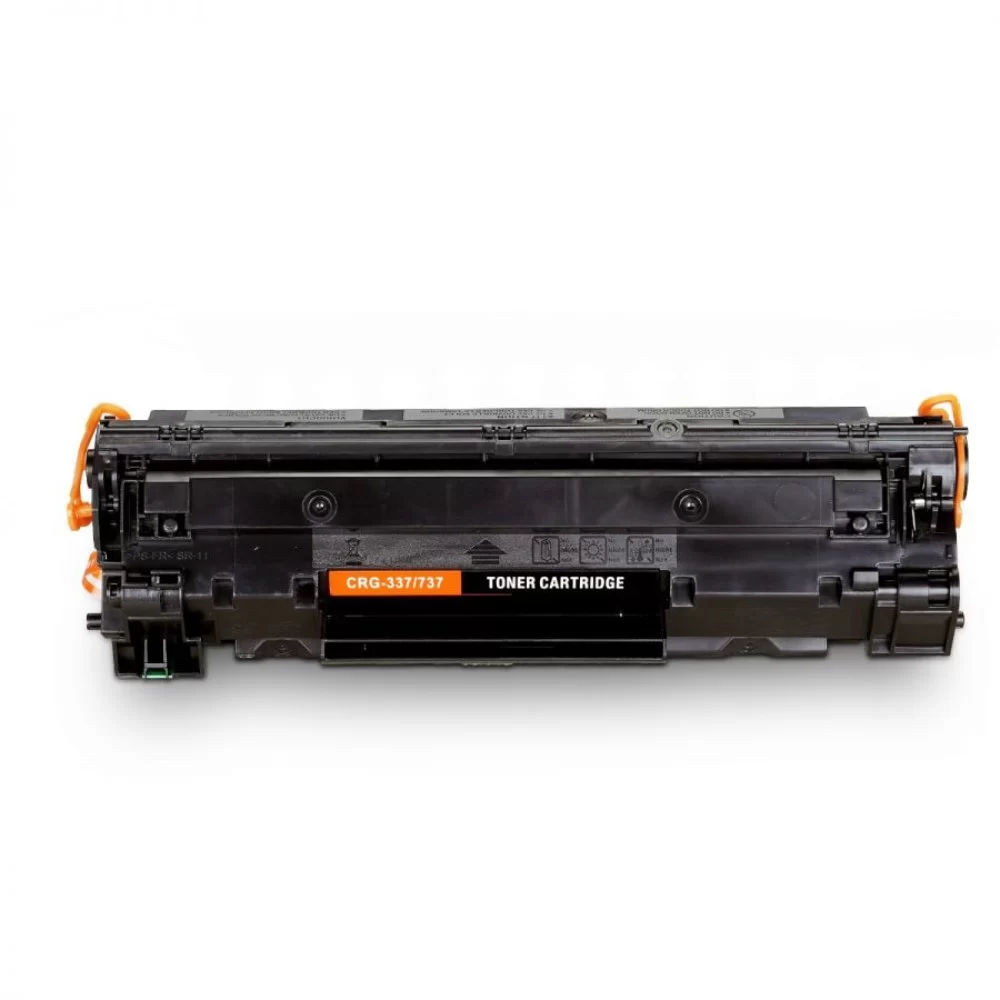
Toner Cartridge Compatible 337A/283A
Original price was: ₹1,675.₹265Current price is: ₹265. (GST Extra) -
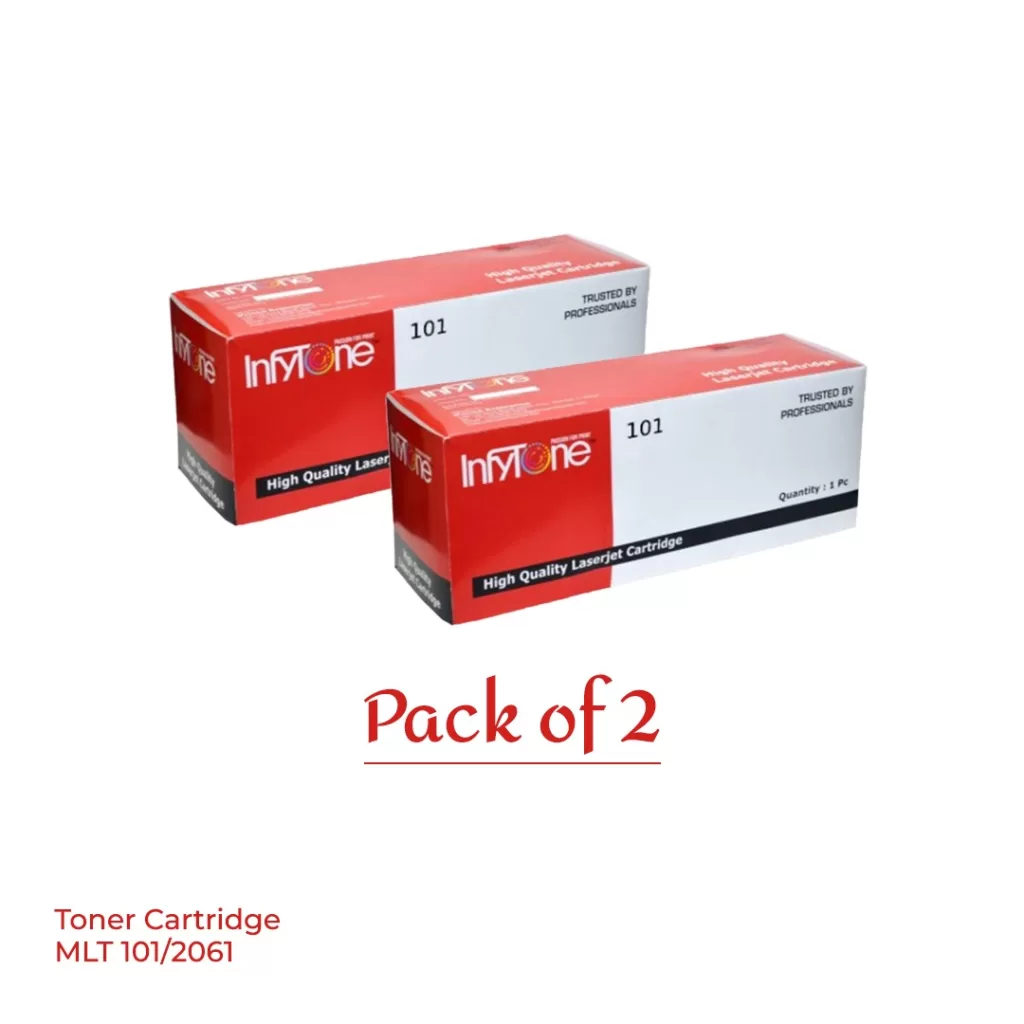
Infytone Compatible Toner Cartridge MLT 101/2061 – Pack of 2
Original price was: ₹3,350.₹750Current price is: ₹750. (GST Extra) -
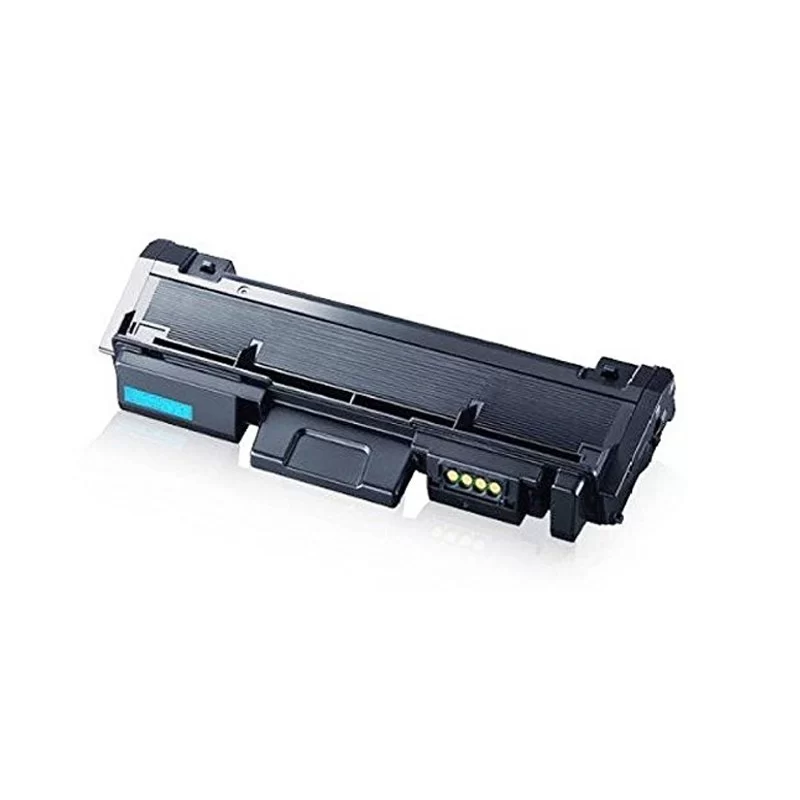
Toner Cartridge Compatible TN-B020/021(Black) – 1 Piece
Original price was: ₹700.₹240Current price is: ₹240. (GST Extra) -
Toner Cartridge Compatible TN116L
Original price was: ₹1,675.₹365Current price is: ₹365. (GST Extra) -
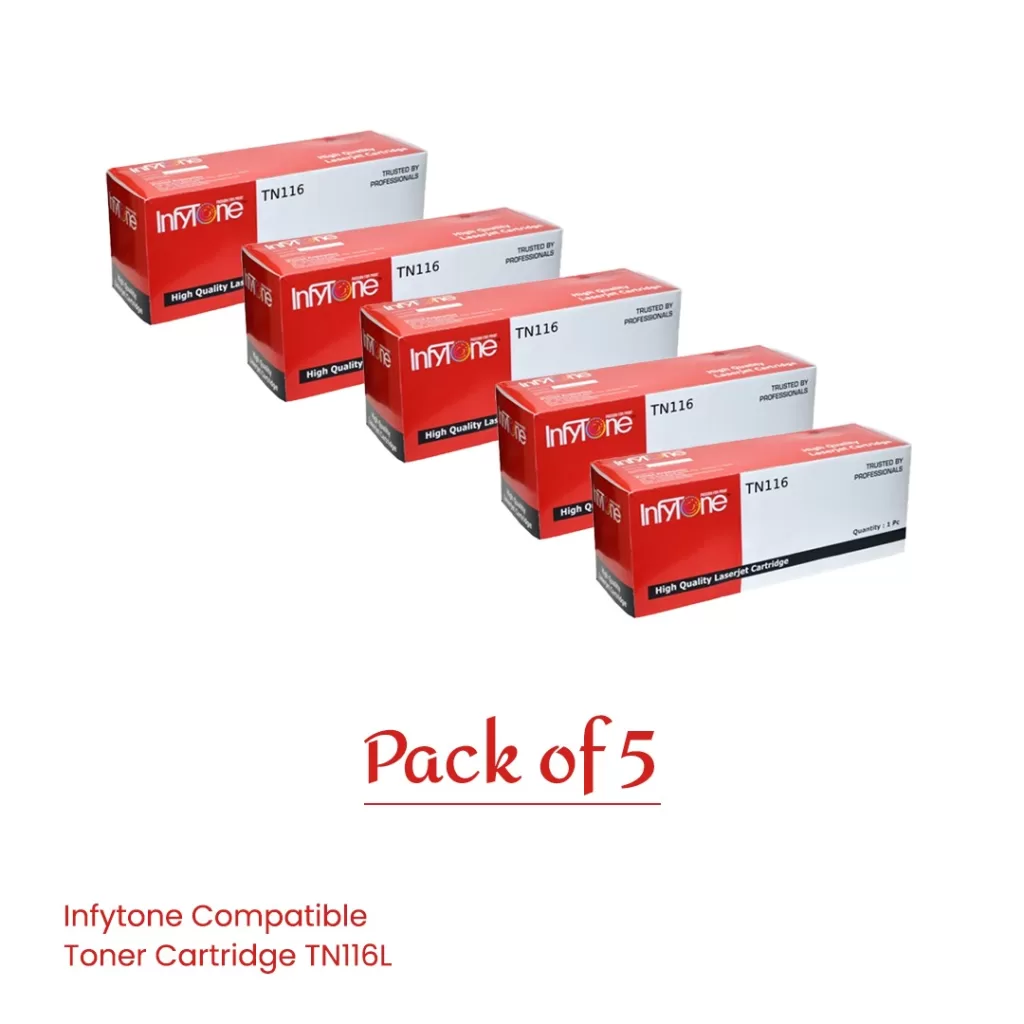
Infytone Compatible Toner Cartridge TN116L – Pack of 5
Original price was: ₹8,375.₹1,975Current price is: ₹1,975. (GST Extra) -
Brother DR-2570 Drum Cartridge
Original price was: ₹3,304.₹3,199Current price is: ₹3,199. (GST Extra) -
Brother TN-2570XL Genuine Toner Cartridge Black
Original price was: ₹6,356.₹3,000Current price is: ₹3,000. (GST Extra) -
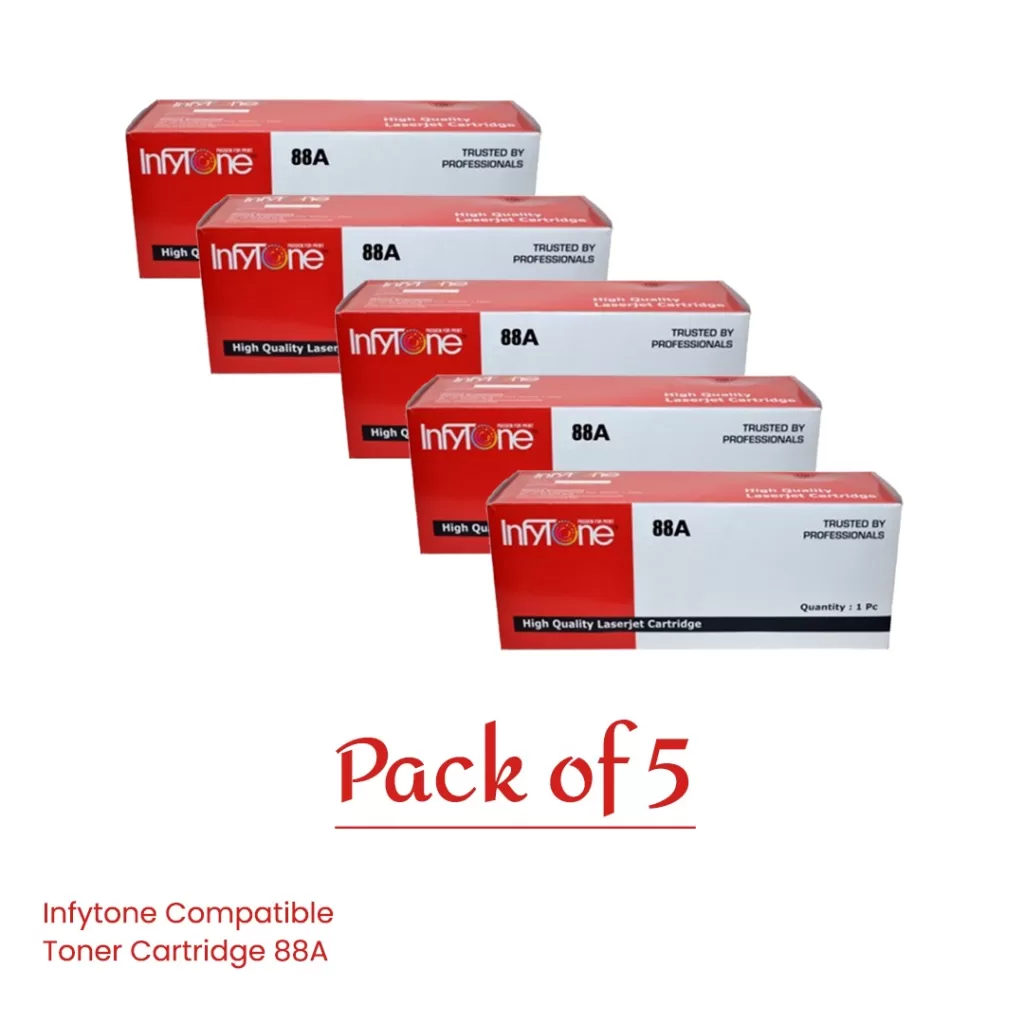
Infytone Compatible Toner Cartridge 88A – Pack of 5
Original price was: ₹8,375.₹1,475Current price is: ₹1,475. (GST Extra) -
Compatible Toner Cartridge MLT 101/2061 (Bubble Pack) – Pack of 2
Original price was: ₹3,350.₹720Current price is: ₹720. (GST Extra) -
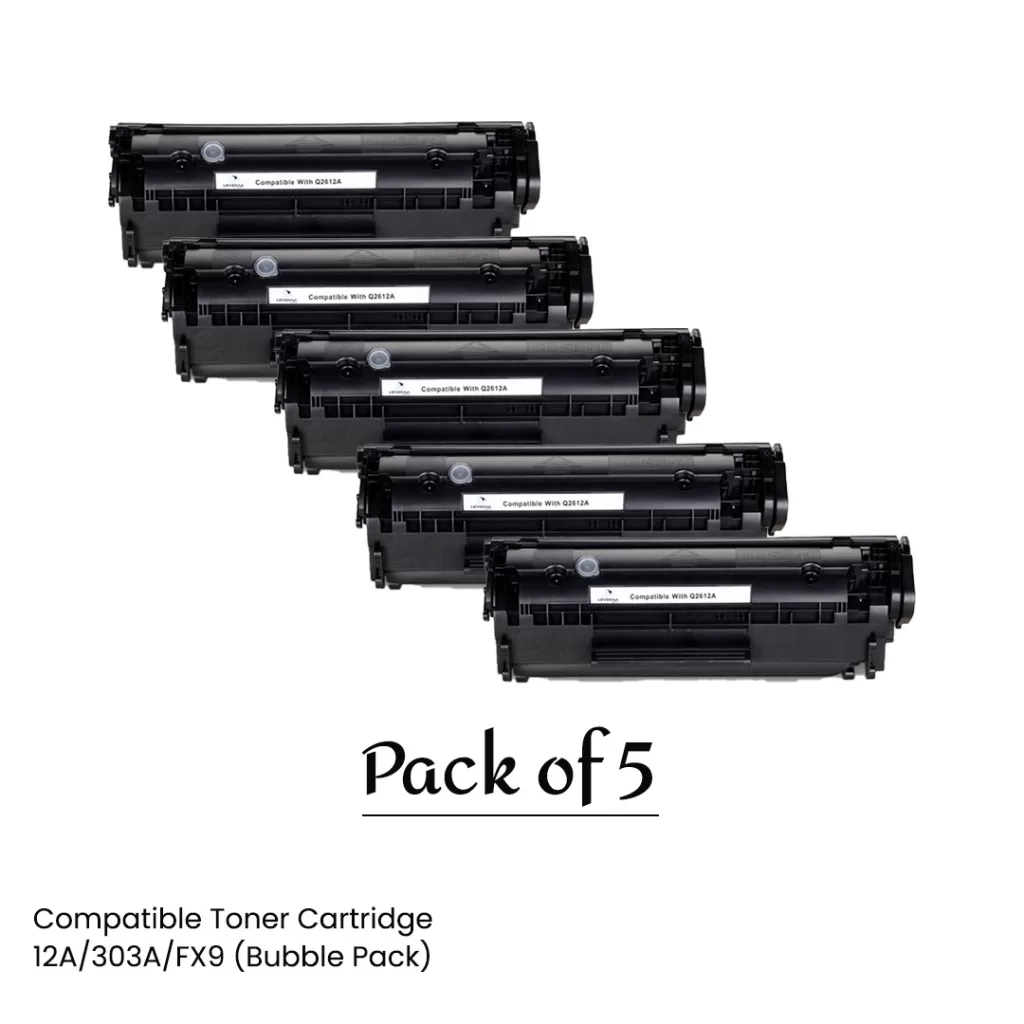
Compatible Toner Cartridge 12A/303A/FX9 (Bubble Pack) – Pack of 5
Original price was: ₹8,375.₹1,495Current price is: ₹1,495. (GST Extra)



- Printer Paper Buying Guide: Everything You Need to Know
- Summer events essentials to make your event shine
- Finding the best Ink, Toner or Cartridges for Your Printer: A Guide 2024
- Maximizing Savings and Efficiency: A Guide to Buying Office Supplies with Wisycart.com
- The Ultimate Guide to Glossy Photo Paper
- The Ultimate Guide to A4 Size Paper: Understanding Dimensions, Uses, and More
- A4 size paper: Uses and Applications in India
- Century Green Copier Paper: Everything you like to know about Best selling Printing paper

Recent Comments