
No products in the cart.
Introduction
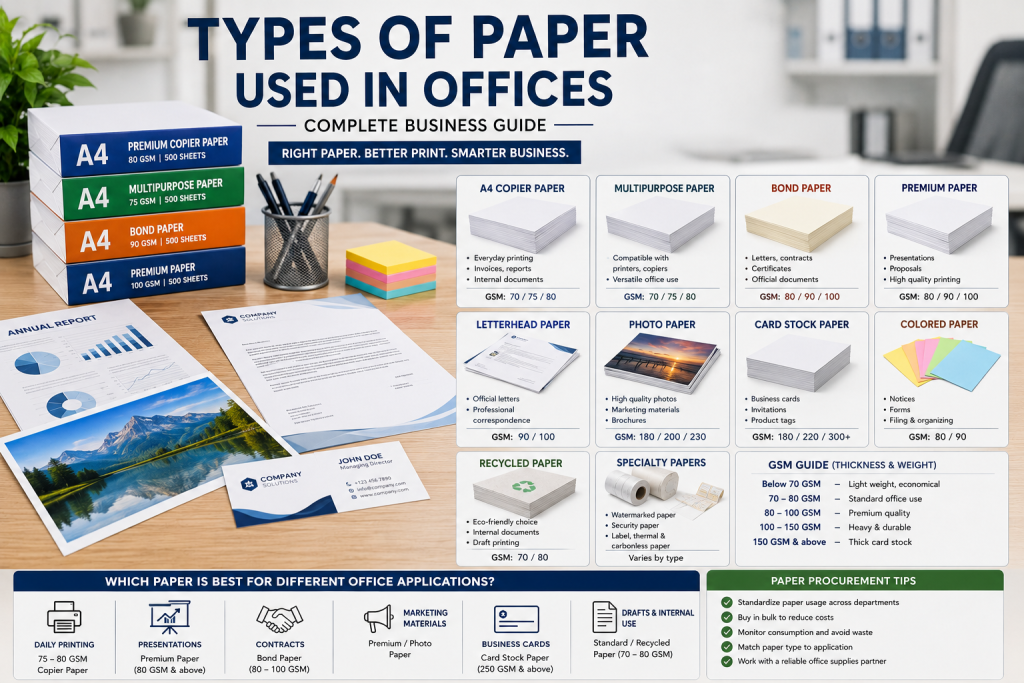
Paper remains one of the most essential office consumables despite the rapid growth of digital technologies. Every day, businesses print invoices, contracts, reports, presentations, marketing materials, training documents, certificates, and official correspondence. Choosing the right type of paper directly impacts print quality, document presentation, printer performance, and procurement costs.
However, many businesses purchase paper based solely on price without understanding the differences between paper types, GSM ratings, brightness levels, and intended applications. This often results in poor print quality, paper jams, increased printing costs, and an unprofessional appearance.
This guide explains the most common types of paper used in offices, their applications, advantages, and procurement considerations to help businesses make informed purchasing decisions.
Table of Contents
Why Choosing the Right Paper Matters
The paper you choose affects:
- Print quality
- Document durability
- Professional appearance
- Printer performance
- Storage requirements
- Procurement costs
Using the right paper for the right purpose can significantly improve operational efficiency and reduce waste.
Understanding Paper Specifications
Before selecting office paper, it is important to understand the key specifications.
GSM (Grams Per Square Meter)
GSM measures paper thickness and weight.
Common office paper GSM ratings include:
- 70 GSM
- 75 GSM
- 80 GSM
- 90 GSM
- 100 GSM and above
Higher GSM generally means thicker and more durable paper.
Brightness
Paper brightness affects readability and print appearance.
Higher brightness papers typically produce:
- Sharper text
- Better image quality
- Improved contrast
Opacity
Opacity determines how much text or images show through from the opposite side of the page.
Higher opacity is preferred for double-sided printing.
A4 Copier Paper
A4 copier paper is the most widely used paper in offices.
Common Applications
- Photocopying
- Printing reports
- Invoices
- Business correspondence
- Internal documentation
Typical GSM
- 70 GSM
- 75 GSM
- 80 GSM
Advantages
- Cost-effective
- Widely available
- Suitable for most office printers
- Ideal for daily business use
For most businesses, 75 GSM and 80 GSM papers provide the best balance between quality and cost.
Multipurpose Paper
Multipurpose paper is designed for compatibility with:
- Inkjet printers
- Laser printers
- Copiers
- Fax machines
Benefits
- Versatile usage
- Reliable print performance
- Reduced paper jams
- Suitable for mixed office environments
Many organizations use multipurpose paper as their standard office paper.
Bond Paper
Bond paper is a premium writing and printing paper known for its durability and professional appearance.
Common Uses
- Letterheads
- Legal documents
- Contracts
- Certificates
Typical GSM
- 80 GSM
- 90 GSM
- 100 GSM
Advantages
- Professional presentation
- Better durability
- Improved writing surface
Bond paper is often used when document quality is particularly important.
Premium Office Paper
Premium office paper offers enhanced brightness and print quality.
Applications
- Client presentations
- Executive reports
- Business proposals
- Corporate communication
Benefits
- Superior print clarity
- Enhanced appearance
- Better image reproduction
Organizations often use premium paper for customer-facing documents.
Letterhead Paper
Letterhead paper is specifically designed for official business communication.
Typical Features
- Higher GSM
- Professional finish
- Company branding compatibility
Uses
- Official correspondence
- Quotations
- Agreements
- Corporate letters
Photo Paper
Photo paper is engineered to produce high-quality images.
Common Applications
- Product photographs
- Marketing materials
- Promotional content
- Presentation graphics
Types
- Glossy photo paper
- Matte photo paper
- Satin photo paper
Benefits
- Vibrant colors
- High image resolution
- Professional appearance
Card Stock Paper
Card stock is significantly thicker than standard office paper.
Uses
- Business cards
- Invitations
- Product tags
- Presentation covers
Typical GSM
- 180 GSM
- 220 GSM
- 300 GSM and above
Advantages
- Enhanced durability
- Premium feel
- Professional presentation
Colored Paper
Colored paper helps improve document organization and visual communication.
Common Uses
- Department-specific forms
- Notices
- Training materials
- Filing systems
Benefits
- Easy identification
- Improved organization
- Better visual distinction
Recycled Paper
Many organizations are adopting recycled paper as part of sustainability initiatives.
Benefits
- Reduced environmental impact
- Supports sustainability goals
- Suitable for daily office use
Common Applications
- Internal documents
- Draft printing
- Office communication
Specialty Paper
Certain business requirements may require specialty papers.
Examples include:
- Watermarked paper
- Security paper
- Carbonless paper
- Thermal paper
- Label paper
These papers serve specific operational and compliance requirements.
Choosing the Right Paper for Different Office Tasks
Daily Printing
Recommended:
- 75 GSM copier paper
- 80 GSM copier paper
Client Presentations
Recommended:
- Premium office paper
- Higher brightness paper
Contracts and Agreements
Recommended:
- Bond paper
- Premium paper
Marketing Materials
Recommended:
- Glossy paper
- Premium presentation paper
Business Cards
Recommended:
- Card stock paper
Internal Drafts
Recommended:
- Standard copier paper
- Recycled paper
Paper Procurement Tips for Businesses
Standardize Paper Usage
Using fewer paper types simplifies inventory management.
Purchase in Bulk
Bulk procurement often reduces costs and ensures availability.
Monitor Consumption
Track paper usage by department to identify savings opportunities.
Match Paper to Application
Avoid using premium paper for routine internal printing.
Consolidate Suppliers
Working with a reliable office supplies partner improves procurement efficiency.
Common Paper Buying Mistakes
Businesses often make the following mistakes:
- Selecting paper based only on price
- Ignoring GSM requirements
- Using premium paper unnecessarily
- Overlooking printer compatibility
- Failing to monitor paper consumption
Avoiding these mistakes can improve print quality and reduce operational costs.
Conclusion
Paper remains one of the most frequently used office consumables, and selecting the right type of paper can significantly impact productivity, print quality, and procurement efficiency.
From A4 copier paper and bond paper to premium presentation paper and specialty papers, each paper type serves a specific purpose. Understanding these differences helps businesses optimize costs while maintaining professional standards.
Whether you’re purchasing paper for daily printing, customer-facing documents, marketing materials, or official correspondence, choosing the appropriate paper ensures better results and a more efficient workplace.
Frequently Asked Questions
What is the most commonly used paper in offices?
A4 copier paper is the most widely used paper for everyday office printing and photocopying.
Which GSM paper is best for office use?
75 GSM and 80 GSM papers are commonly used because they offer a good balance of quality, durability, and cost.
What is bond paper used for?
Bond paper is commonly used for contracts, letterheads, certificates, and professional business documents.
What is the difference between copier paper and bond paper?
Copier paper is designed for everyday printing, while bond paper offers improved durability and a more professional appearance.
Is recycled paper suitable for office use?
Yes. Recycled paper is suitable for most office printing applications and supports environmental sustainability initiatives.
What paper should be used for presentations?
Premium office paper with higher brightness and GSM ratings is recommended for presentations and client-facing documents.
Products by Category
-
JK Copier Paper – A4 Size, 75 GSM, 1 Ream, 500 Sheets
Original price was: ₹344.₹240Current price is: ₹240. (GST Extra) -
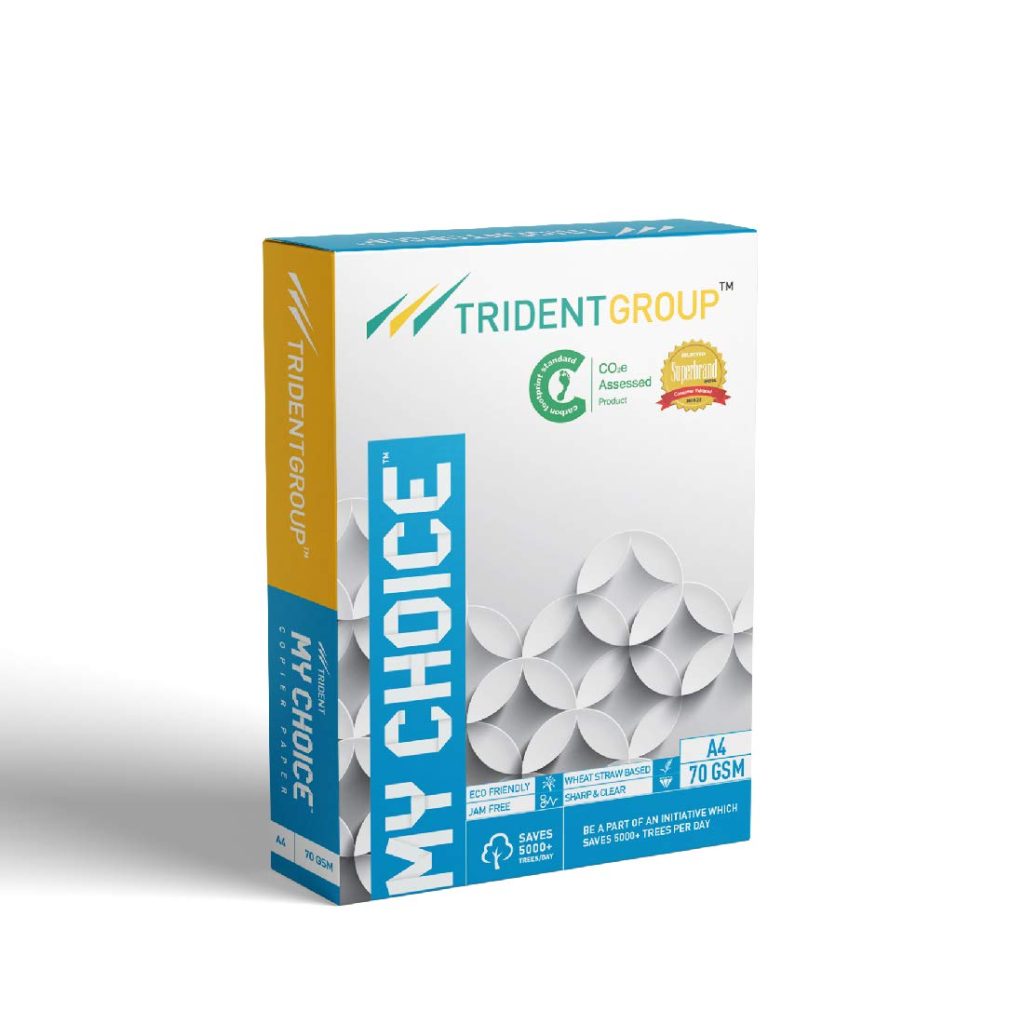
Trident My Choice A4 70 gsm 1 Ream, (500 sheet)
Original price was: ₹360.₹200Current price is: ₹200. (GST Extra) -
JK Sparkle A3 70 GSM Paper, 1 Ream-(500 Sheets)
Original price was: ₹660.₹395Current price is: ₹395. (GST Extra) -
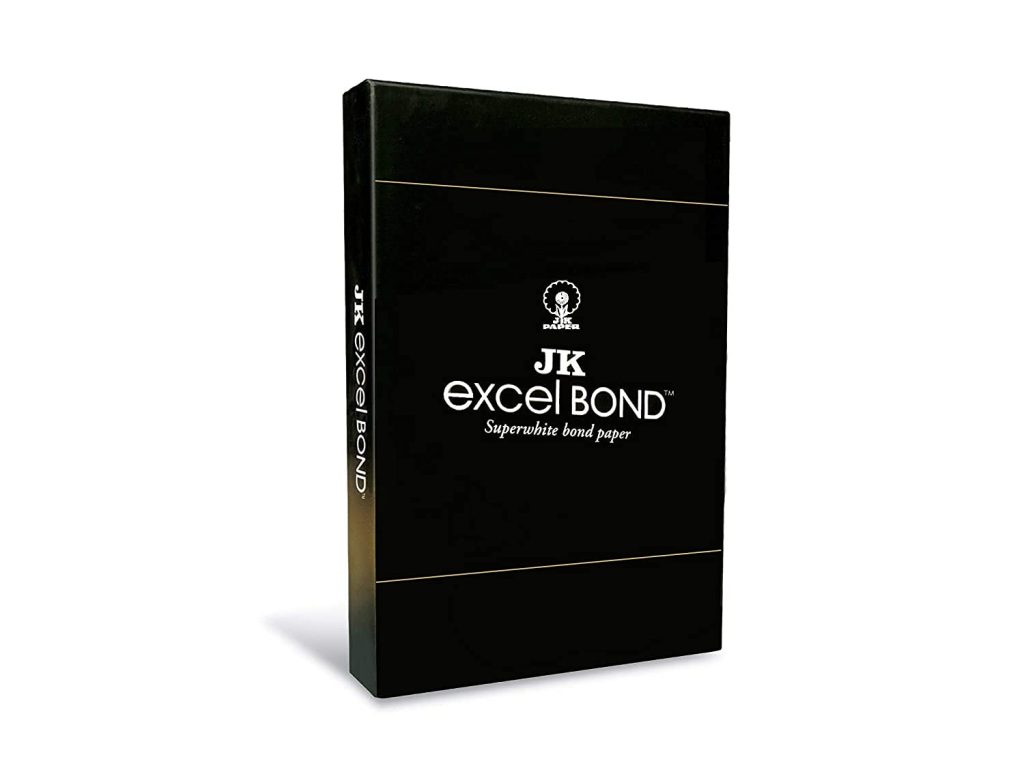
JK Excel Bond A4 85 gsm (500 sheet) 1 Ream, 500 SheetsA4 Size Paper ECO TREE FRIENDLY, 500 SHEETS, Office School Drawing White Jam Free Paper
Original price was: ₹505.₹339Current price is: ₹339. (GST Extra) -
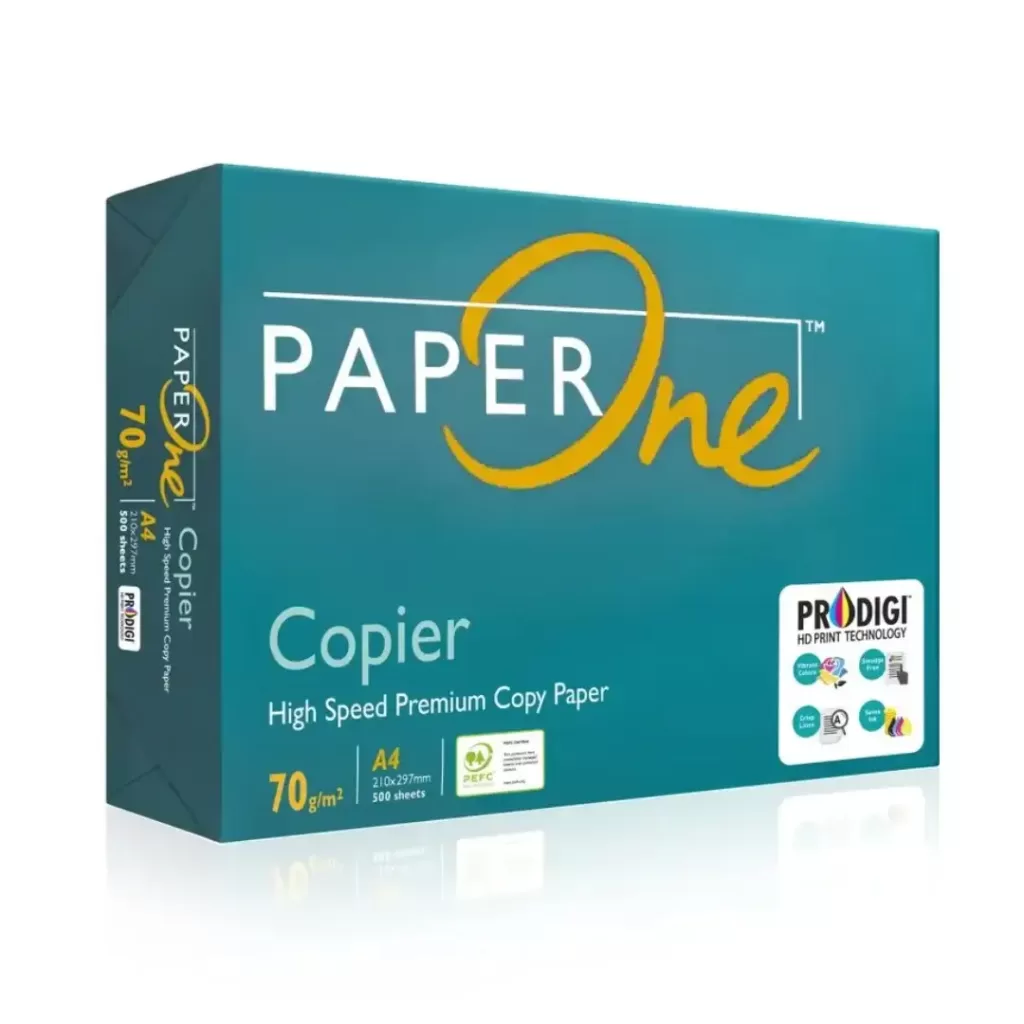
Paper One Copier Paper A4 – 70 GSM | 500 Sheets per Ream | Pack of 10 Reams | Premium Quality | Jam-Free Printing
Original price was: ₹3,240.₹1,900Current price is: ₹1,900. (GST Extra) -
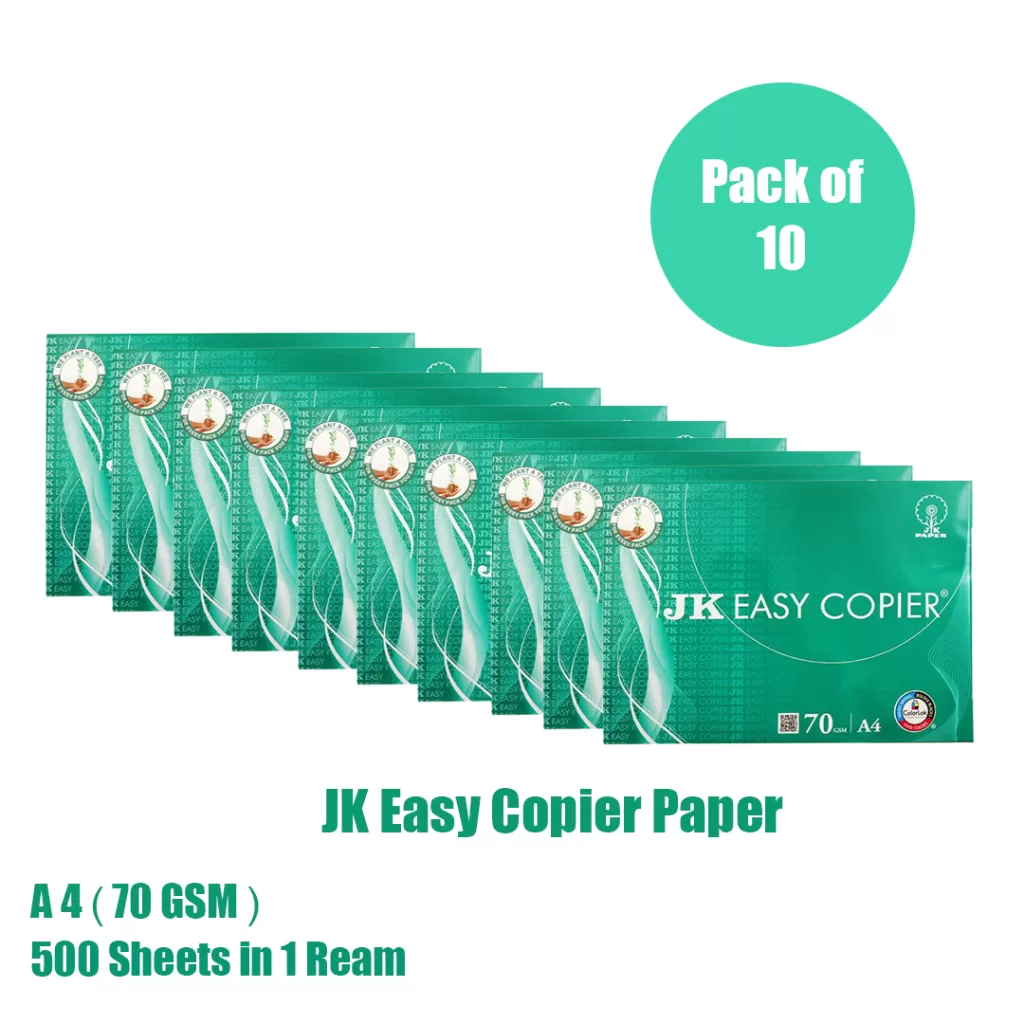
JK Easy Copier Paper A4 Size 70 GSM, 1 Ream, 500 Sheets – Pack of 10
Original price was: ₹3,170.₹2,100Current price is: ₹2,100. (GST Extra) -
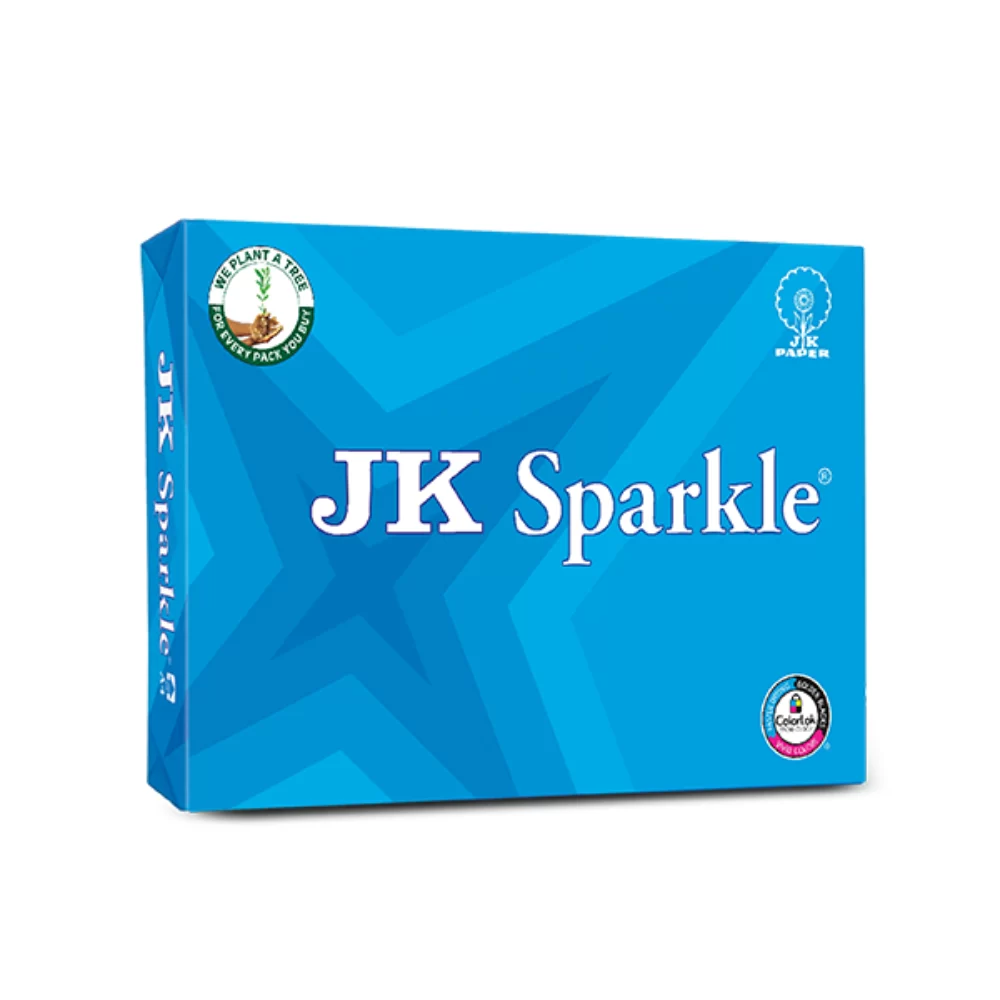
JK Sparkle A4 Paper 70 GSM 1 Ream-(500 Sheets)
Original price was: ₹350.₹215Current price is: ₹215. (GST Extra) -
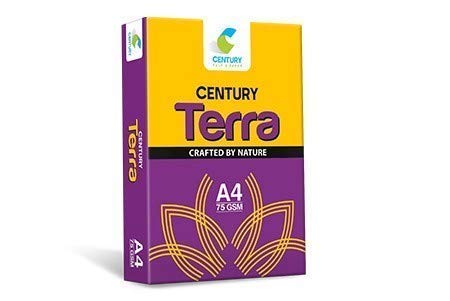
Century Terra A4 Paper – 75 GSM, Eco-Friendly, Perfect for Office & School Use
Original price was: ₹330.₹210Current price is: ₹210. (GST Extra) -
Generic Premium Glossy Photo Paper 4×6 Inch 260 GSM 100 Sheets – High Quality Printing for Office & Studio Use
Original price was: ₹500.₹138Current price is: ₹138. (GST Extra) -
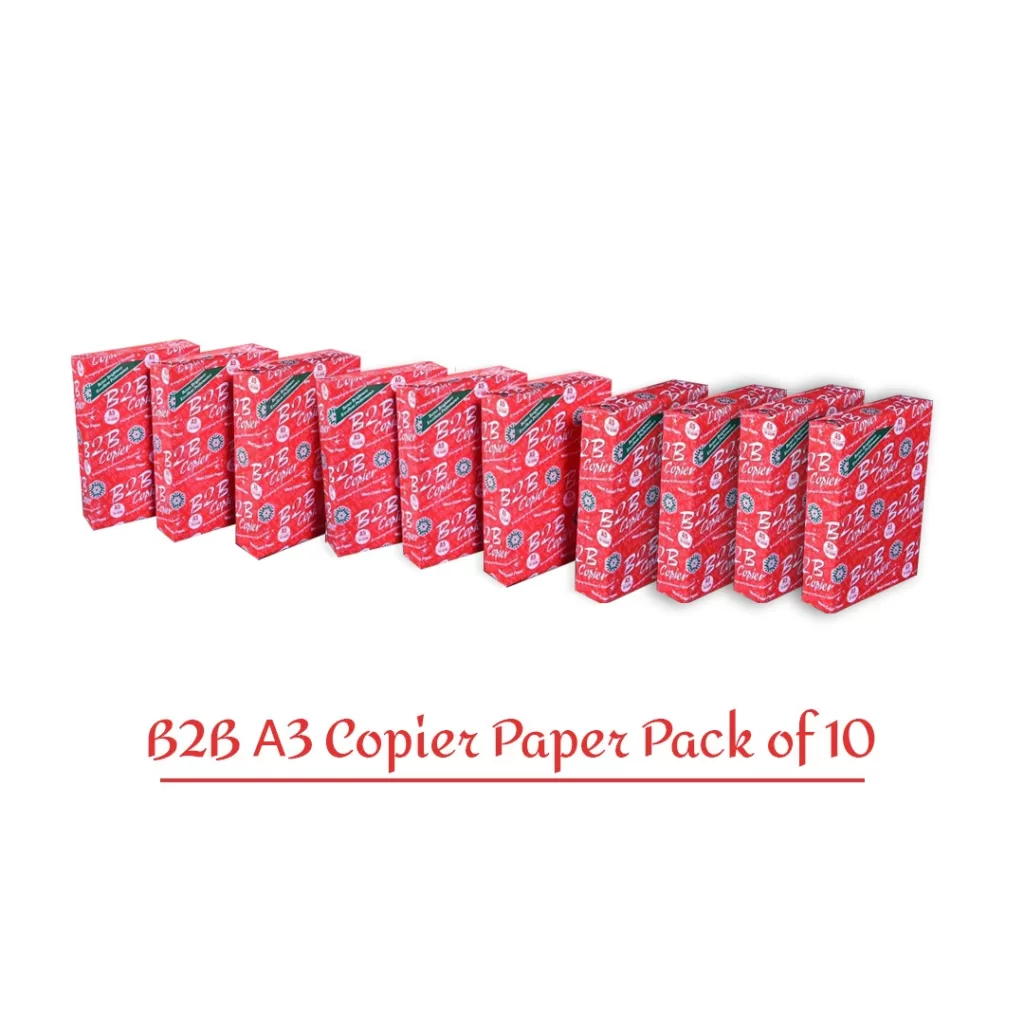
B2B A3 Size Copier Paper 70 GSM 500 Sheet 1 Ream – (Pack of 10)
Original price was: ₹7,300.₹4,490Current price is: ₹4,490. (GST Extra)



Recent Comments